THE AUTOMATED EXTERNAL DEFIBRILLATOR (AED)
Cardiac arrest: the numbers that demand action
out-of-hospital cardiac arrests a year in Europe, one roughly every 90 seconds
chance of survival every minute without chest compressions or defibrillation
survival doubles when a citizen responder reaches the scene first
What is an AED?
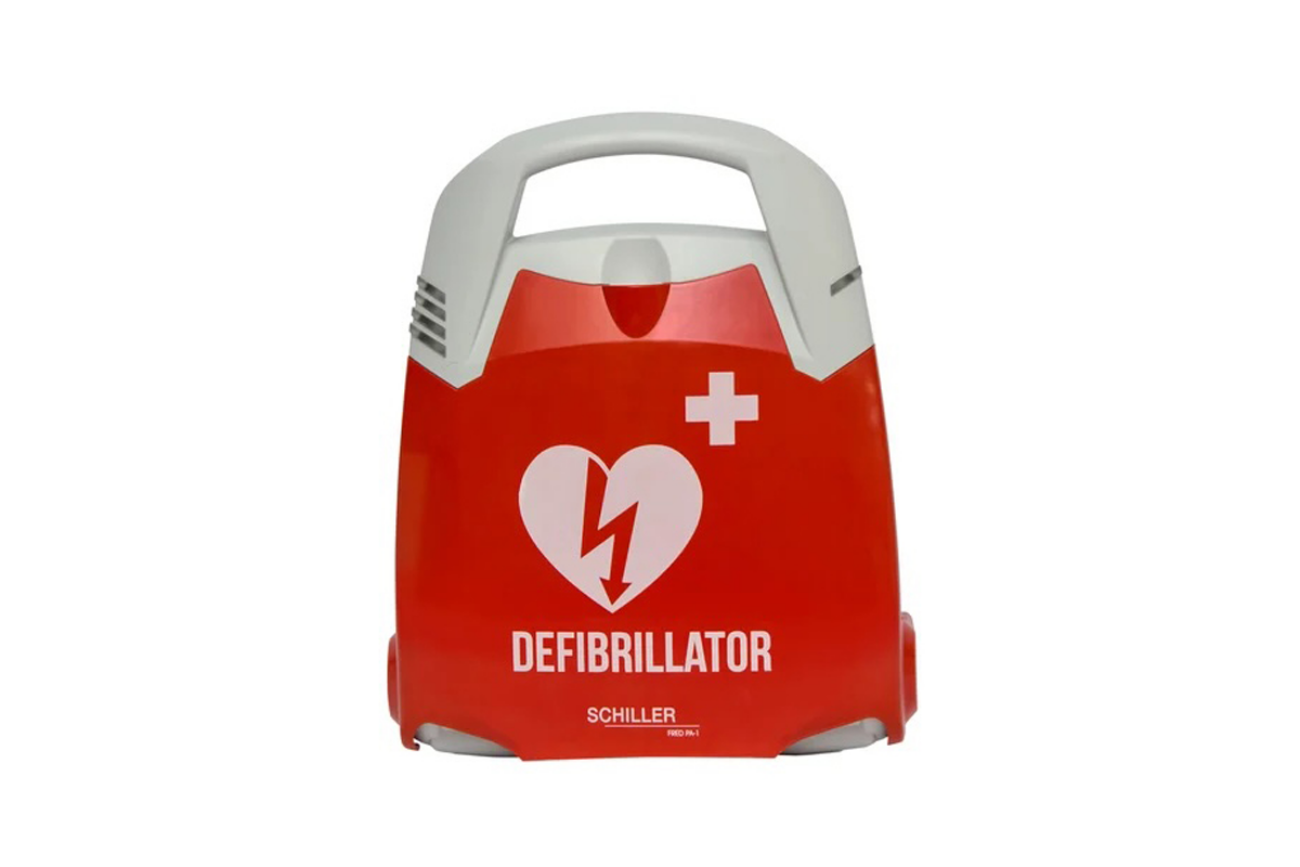
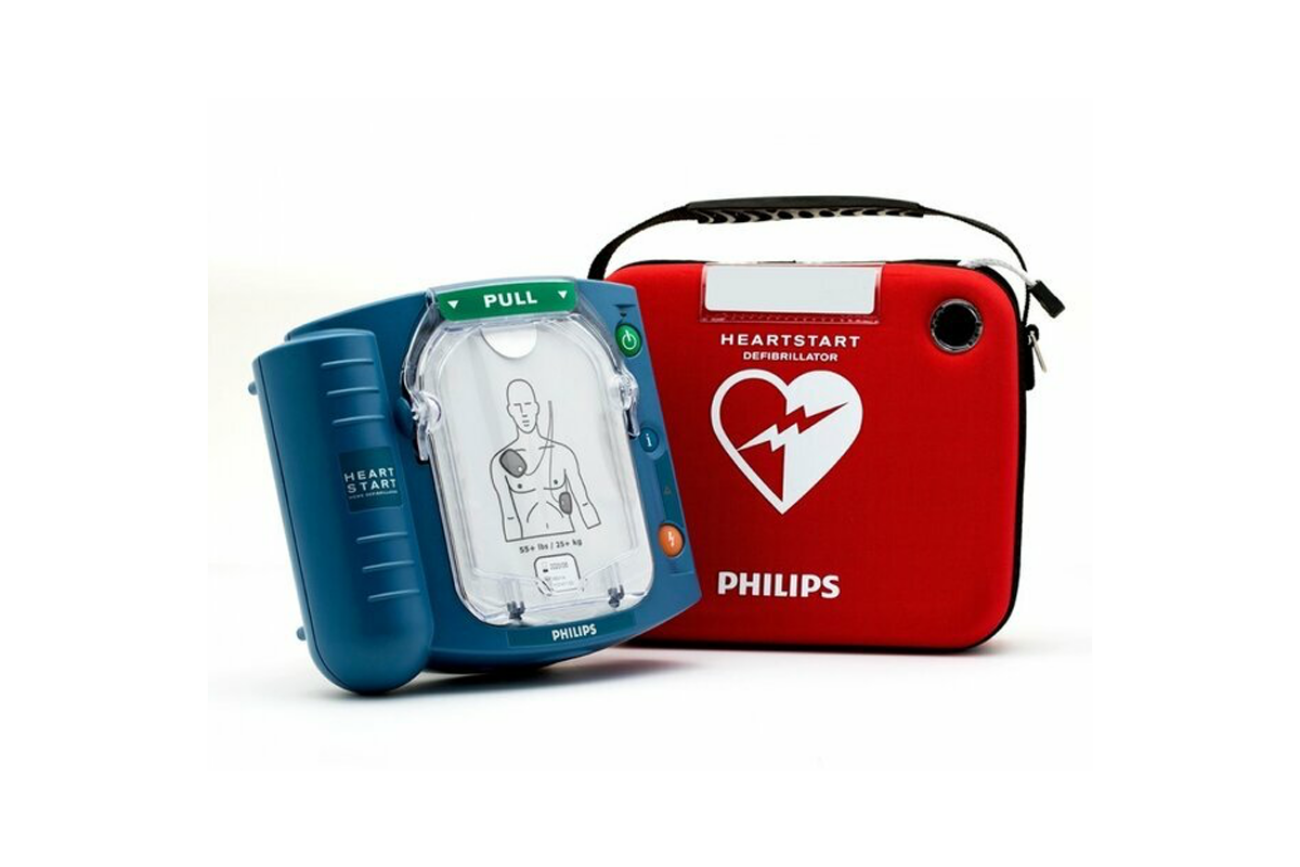
An automated external defibrillator (AED) is a portable medical device that analyses the heart rhythm and, if needed, delivers an electric shock to restore normal cardiac activity in ventricular fibrillation or pulseless ventricular tachycardia.
Contrary to what most people assume, an AED is designed to be used by anyone, with no medical training. It guides the user step by step with clear spoken and visual instructions.
Europe records an estimated 350,000 out-of-hospital cardiac arrests a year, and around 8% of victims survive, mostly because the first life-saving actions are not performed in time. Every minute counts.
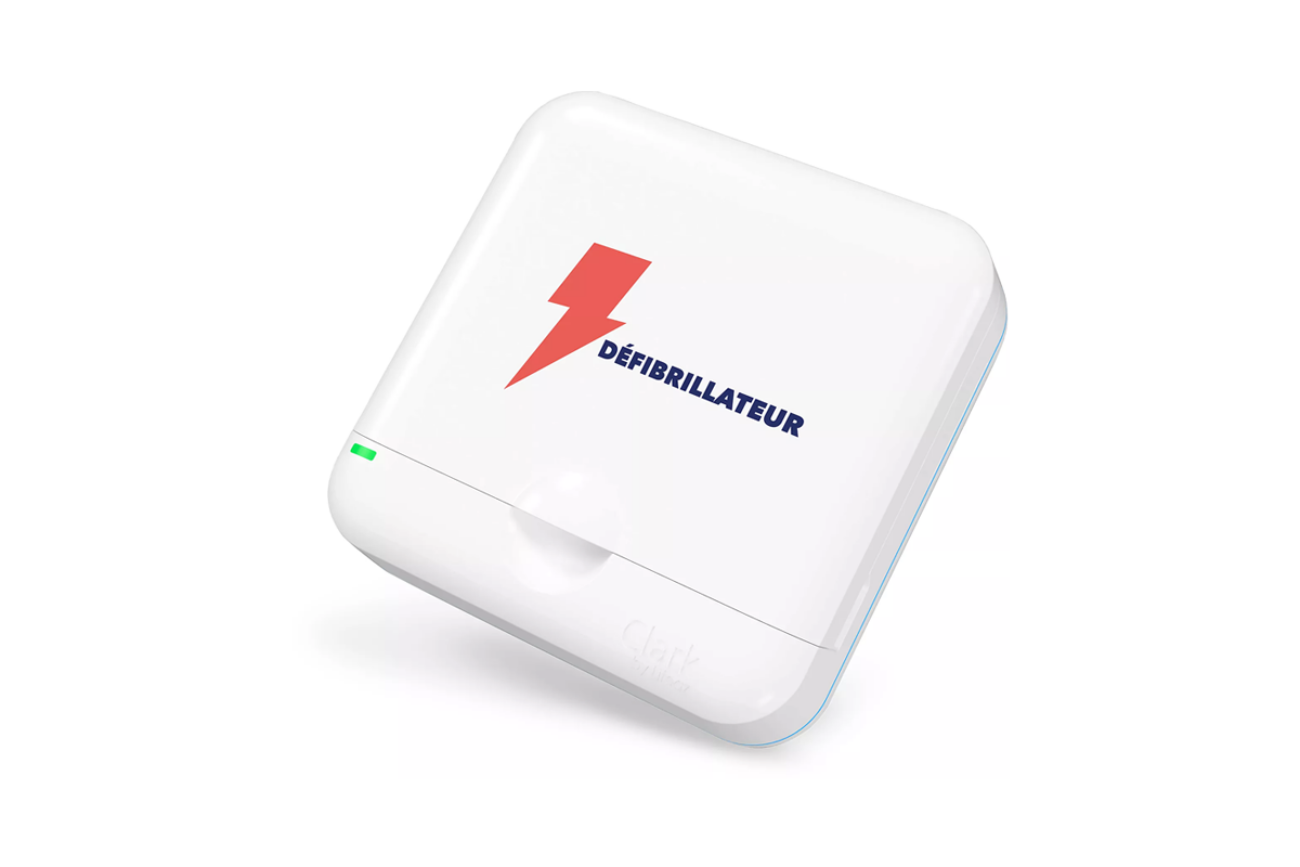
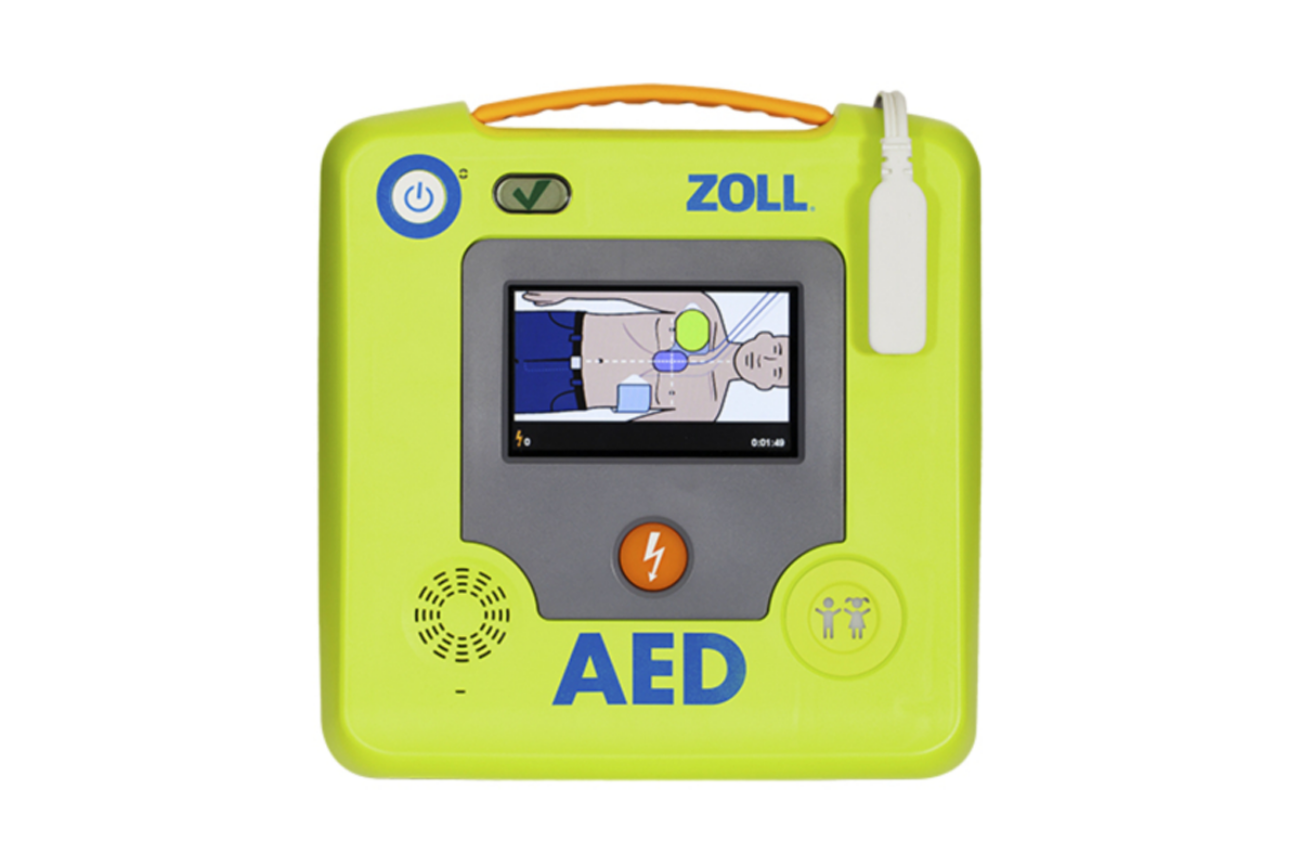
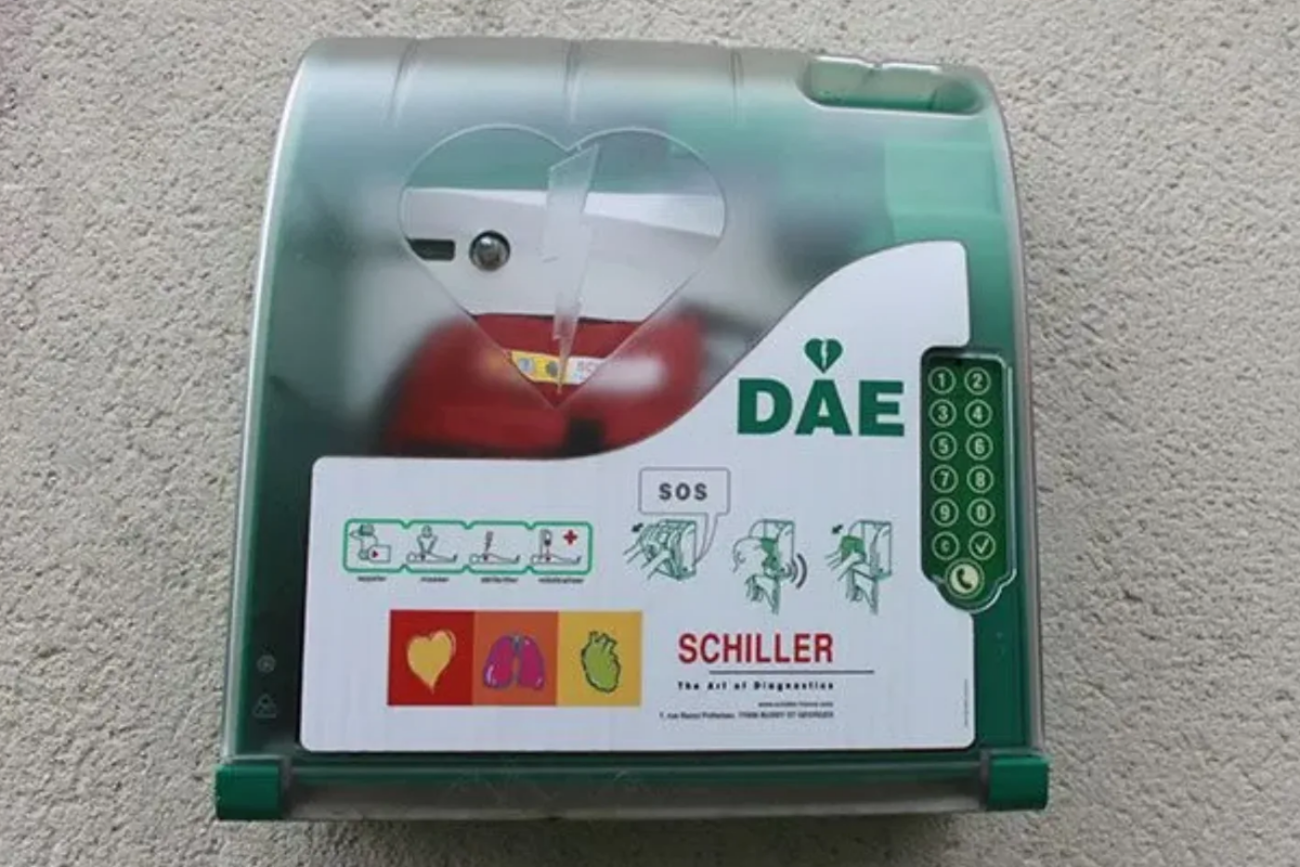
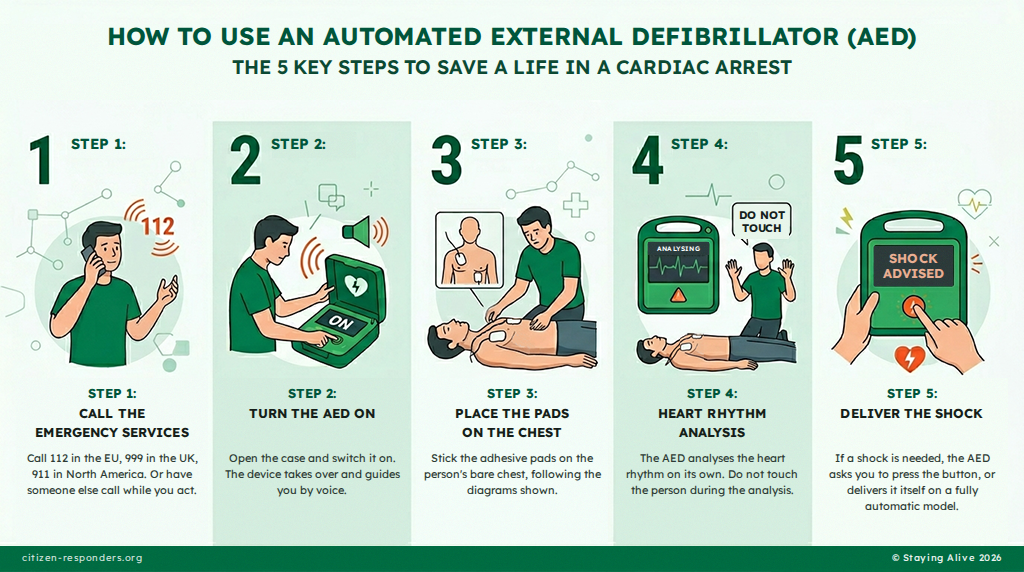
How do you use a defibrillator?
Five simple steps, guided by the device’s own spoken instructions.
Fully automatic or semi-automatic?
AEDs come in two variants. Both are approved and effective; the choice depends on where the device is installed.
Fully automatic
The shock is delivered automatically, with no action from the user.
- ✅ Best suited to public spaces and untrained bystanders
- ✅ Nothing extra to do
- ✅ Shock triggered automatically after analysis
- ⚠️ Slightly more expensive
Semi-automatic
The user presses a button to deliver the shock.
- ✅ The most widely installed type in France
- ✅ Generally cheaper
- ✅ Preferred by health professionals
- ⚠️ Requires one extra action
The French legal framework, as a reference model
France has built one of Europe’s most complete legal frameworks around public access defibrillation. For any country designing its own, it is a useful reference model.
2007
Law 2020-840
Law 2018-527
Obligations for venues open to the public
| Venue category | Capacity | Examples | AED mandatory from |
|---|---|---|---|
| Cat. 1 | > 1,500 people | Large stadiums, concert halls, arenas | January 2020 |
| Cat. 2 | 700 to 1,499 people | Cinemas, hotels over 100 rooms, superstores | January 2020 |
| Cat. 3 | 300 to 699 people | Shopping centres, hospitals, sports halls | January 2020 |
| Cat. 4 | < 300 people | Small shops, restaurants, town halls | January 2021 |
| Cat. 5 | Care facilities | Medical practices, care homes, nurseries | January 2021 |
Géo'DAE: France's national defibrillator registry
Géo’DAE is the official French national database of automated external defibrillators, run by the Ministry of Health. It is interoperable with the dispatch systems of the SAMU emergency medical services and of the fire and rescue services.
It centralises the location of every declared AED in France and allows emergency services, and databases such as Staying Alive’s, to identify in real time the defibrillator nearest to a victim. A national registry of this kind is the single piece of public infrastructure that makes citizen defibrillation work at scale.
The national database serves four objectives:
- publish and open the data to everyone, so cardiac arrests are handled faster;
- hold reliable, high-quality data by standardising how AEDs are recorded;
- give venue operators a single place to meet their legal declaration duty;
- create momentum, and pull scattered local initiatives into one national effort.
Any country building the same capability faces the same three questions in the same order: who is obliged to declare, who guarantees data quality, and who is allowed to read the data in an emergency. France answered all three, and the registry is now a state-registered trademark.
Innovation
GéoCœur: the next-generation connected defibrillator
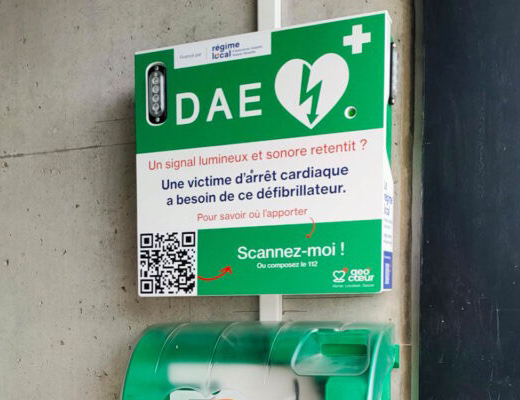
GéoCœur turns any existing AED into a connected defibrillator, able to signal its own presence and alert nearby responders in real time.
Staying Alive
The app that maps defibrillators and mobilises responders
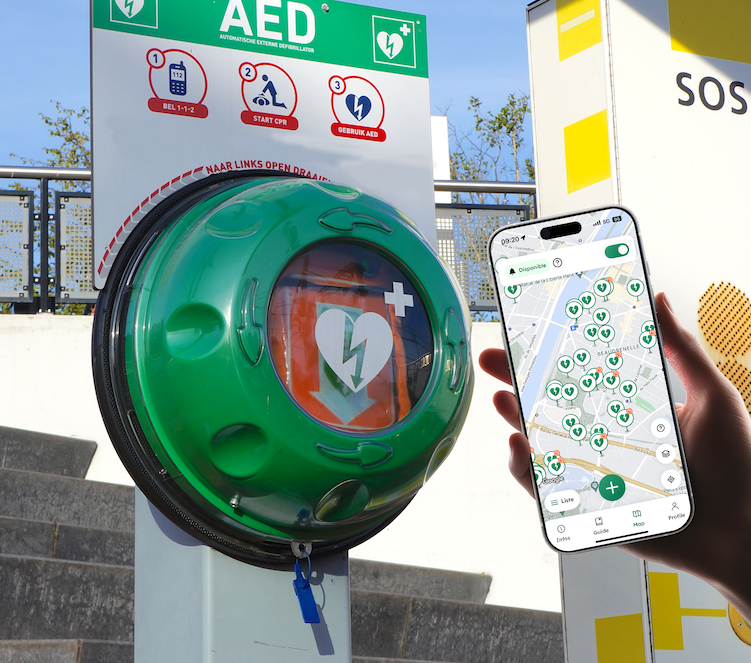
Staying Alive has passed 2.5 million downloads and 500,000 citizen responders. In an emergency the app locates you, guides you to the nearest AED, and simultaneously alerts a trained responder within range.